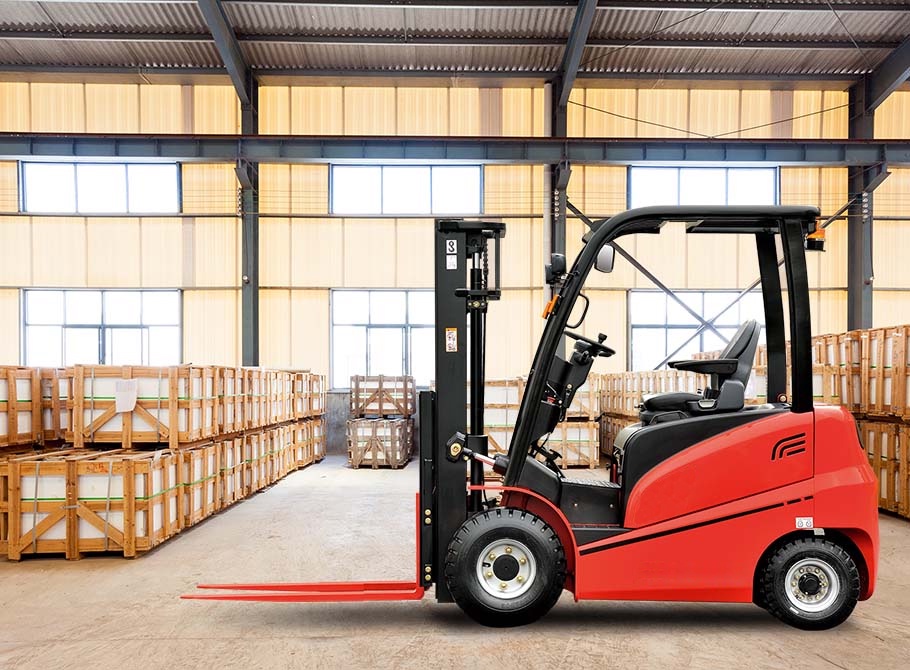
Scientific Selection and Scenario Adaptation: Unlocking the Key to Efficient Forklift Application

26/01/2026
Scientific Selection and Scenario Adaptation: Unlocking the Key to Efficient Forklift Application
I. Scientific Selection: Four Key Decision-Making Dimensions
  1. Load and Working Condition Analysis

    • Load Capacity: Identify the maximum weight and dimensions of the goods to be moved, and select a model with a matching rated load capacity based on this, reserving approximately a 20% safety margin.

    • Working Environment: For flat, solid indoor areas (e.g., warehouses, workshops), electric forklifts are the preferred choice for energy savings and low noise. For outdoor, rough, or temporary sites, internal combustion forklifts (diesel/gasoline) hold an advantage due to their powerful performance and off-road capability.

  2. Power Type Decision

    • Electric Forklifts: Zero emissions, low noise, low operating costs. Suitable for indoor environments and industries with high environmental requirements, such as food and pharmaceuticals. They are an economical choice for long-term indoor operations.

    • Internal Combustion Forklifts: Powerful, durable, and capable of adapting to high-intensity, high-load outdoor and harsh working conditions, but they produce emissions and noise.

  3. Operational Efficiency and Space Adaptation

    • Aisle Width and Lifting Height: Measure the minimum aisle width and maximum rack height in the working area. Select models with a small turning radius and sufficient mast lift height (e.g., narrow-aisle three-wheel electric forklifts) to maximize space utilization.

    • Attachment Configuration: Standard forks are suitable for ordinary pallet handling. For special goods like paper rolls, barrels, or textiles, professional attachments such as clamps, rotators, or push-pull devices can be selected to significantly improve efficiency in specialized tasks.

  4. Safety and Compliance

    • Forklifts must comply with national safety standards, and operators require proper certification. For special environments like cold chains or chemicals, dedicated models with features like explosion-proof or low-temperature resistance are necessary.

II. Panoramic View of Core Application Areas

The application of forklifts is deeply integrated into key sectors of the national economy:

  • Manufacturing and Warehousing Logistics: Used for material transfer in production lines and for stacking, loading/unloading, and picking in warehouses. They are core equipment in automated storage and retrieval systems (AS/RS) and distribution centers.

  • Ports and Freight Hubs: Used for container and bulk cargo handling at dock fronts and in storage yards. Large heavy-container forklifts and empty container handlers are key to ensuring port efficiency.

  • Wholesale, Retail, and E-commerce: Used in large supermarket distribution centers and e-commerce warehouses to efficiently sort and distribute massive quantities of goods, enabling rapid "goods-to-person" response.

  • Specialized Industry Applications: Dedicated forklifts and attachments solve industry-specific handling challenges, such as moving paper rolls in paper mills, stacking finished products in the beverage industry, and transporting precision components in the aerospace sector.

Conclusion
Selecting a forklift is far from a simple product purchase; it is a systematic engineering project based on detailed working condition analysis and long-term operational planning. Correct selection can not only directly improve material flow speed and reduce comprehensive costs but also forms an important foundation for ensuring operational safety and optimizing storage space. Enterprises should combine their actual needs and, when necessary, consult professional equipment suppliers for on-site evaluation and test drives, thereby investing in the most suitable handling solution to inject lasting momentum into the smoothness and efficiency of the supply chain.